
More than 34 million UK adults garden regularly — that’s over half the adult population (RHS State of Gardening Report, 2025). And the older you get, the more likely you are to be one of them. There’s no better way to spend a warm afternoon than getting things done outside, watching something grow, and knowing the place looks cared for.
The only problem? That moment when you realise you’re kneeling in the border wearing your best trousers.
Most of us have made that mistake. You pop out “just to do a quick bit of weeding” in something presentable, and an hour later you’re picking soil out of your knees. This guide sets out exactly what to wear in the garden this summer — the right fabrics, the right cut of trousers, the right footwear — so you can work comfortably without destroying something you’d rather keep nice.
You’ve earned a garden worth enjoying. Here’s what to wear in it.
Key Takeaways
- 76% of British men over 55 garden regularly, rising to 87% for men over 75 (HTA/YouGov, 2024)
- Adults aged 65+ spend more on their gardens than any other age group — an average of £5.10 per week (Statista, 2023)
- Comfort-waist trousers and wide-fitting, supportive footwear make a genuine practical difference for outdoor work
Jolliman men’s summer clothing collection
Why Your Garden Clothes Actually Matter
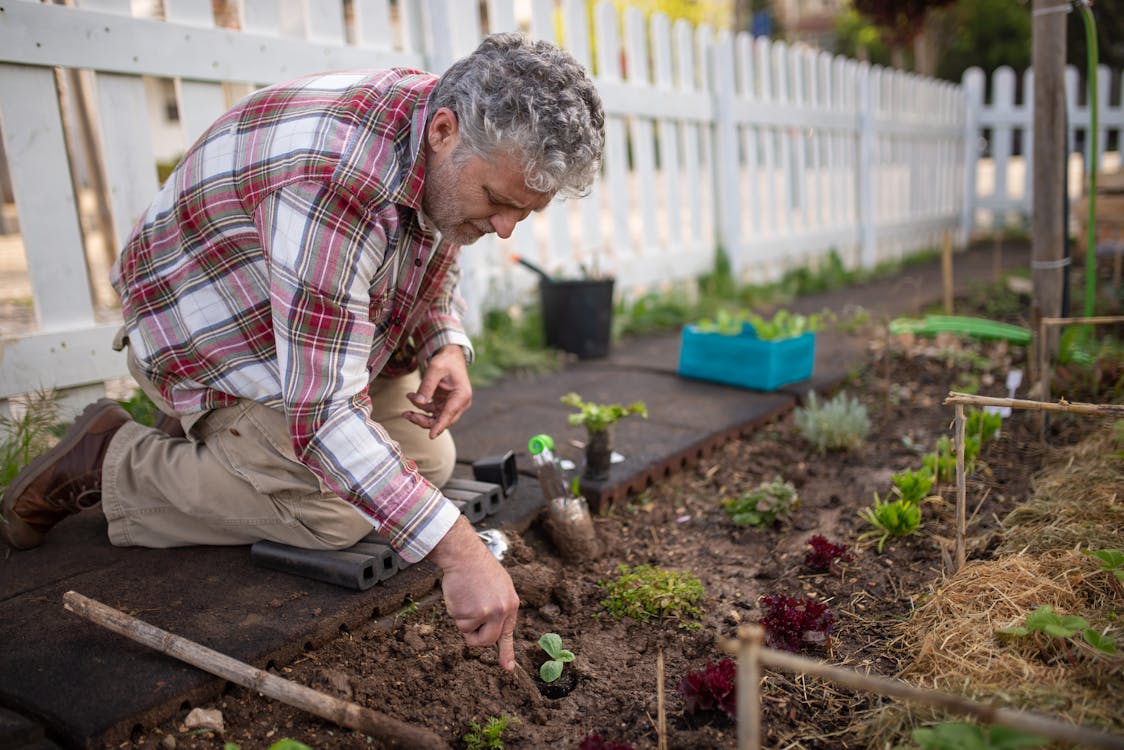
76% of British men over 55 say they enjoy gardening in their free time, rising to 87% for men over 75 (HTA/YouGov Gardening as a Hobby Survey, 2024). It’s the most popular outdoor hobby in Britain for this age group — and adults aged 65 and over spend more on their gardens than any other group, averaging £5.10 a week on products and plants (Statista, via Horticulture Magazine, 2023).
If you’re spending that much time in the garden, what you wear while you’re out there matters.
The temptation is to pull on the oldest things you own — stretched trousers that are “only for the garden now,” a jumper you wouldn’t wear anywhere else. That works, up to a point. But the right gardening clothes aren’t just a sacrifice layer to protect your better kit. They’re comfortable enough to work in for hours, easy to wash, and smart enough that if a neighbour calls over the fence, you’re not embarrassed.
Worth knowing: The gardening clothing gap isn’t really about price. It’s about the idea that garden clothes have to be a compromise. The most practical summer garden wardrobe is built from the same comfortable, easy-care staples you’d wear for a day out — you’re just choosing them with kneeling and weeding in mind too.
UK Gardening Participation by Age Group UK Gardening Participation 2024 notes that, UK gardening participation rises sharply with age — over three-quarters of men aged 55–74 garden regularly.
What Fabrics Are Best for Garden Wear?
79% of UK consumers prefer cotton, or poly-cotton blends, or denim over synthetics, and 67% say comfort is the primary reason. For garden wear specifically, that instinct is right.
Cotton breathes. It lets air move and keeps you comfortable on a warm summer morning without the clammy feeling you get from man-made fabrics. A 100% cotton casual shirt or a poly-cotton polo will serve you well from the first brew of the morning through to an afternoon in the border.
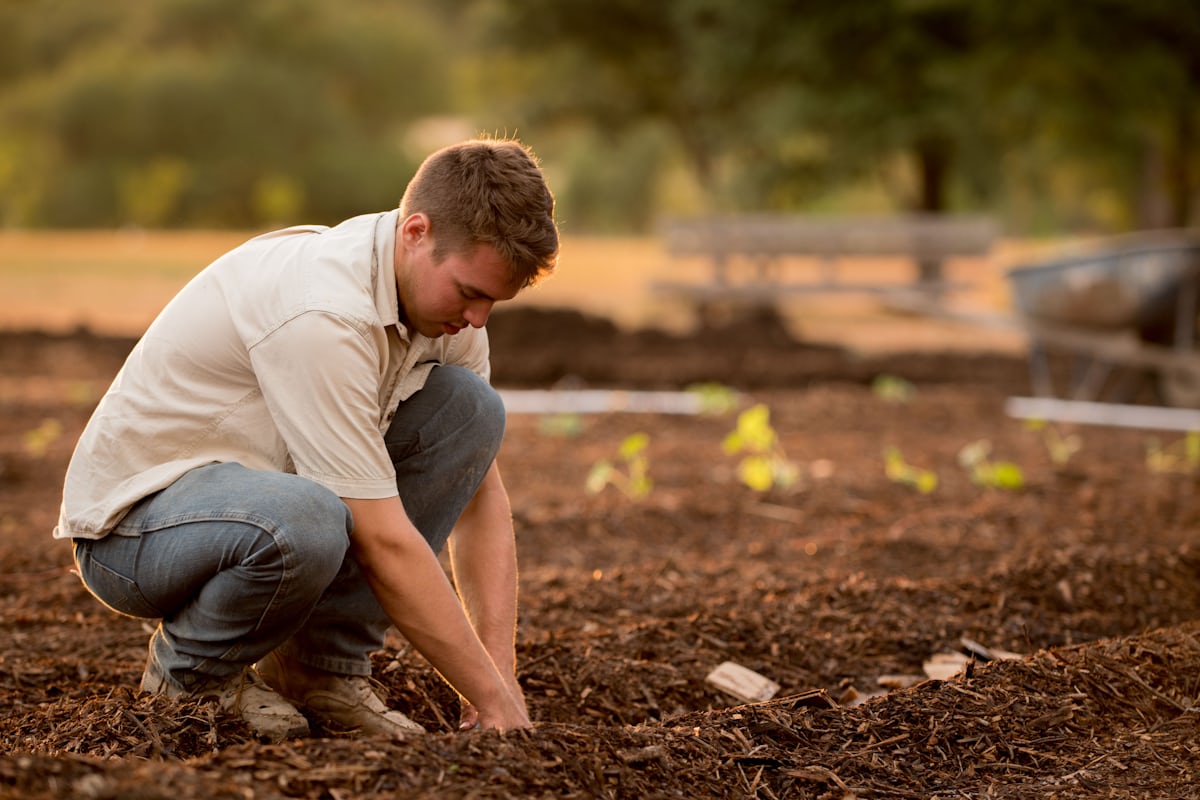
What to look for on the label:
- 100% cotton or a 65/35 poly-cotton blend — the poly-cotton mix washes and dries faster and is more resistant to creasing, which is handy when you’re rinsing garden clothes regularly
- Loose, relaxed cut — a shirt or polo that lets you bend and reach without riding up or pulling tight across the shoulders
- Darker or mid-tone colours — navy, olive, or mid-grey are forgiving if you brush against a hedge or handle a bag of compost
UK summers aren’t always predictable, either. A shirt that works at 22°C on Monday can feel thin in a shower on Wednesday. A lightweight layer nearby — a thin cotton-knit sweatshirt or a half-zip fleece — handles that without any fuss.
According to the October 2025 Cotton Incorporated Global Lifestyle Monitor — a survey of 1,001 UK consumers — 79% prefer cotton or cotton blend garments above all other fabrics. Of those, 67% cite comfort as their primary reason, and 49% say they’re willing to pay more for natural fibres because they expect them to last longer (Cotton Incorporated, 2025). Comfort is the number one reason UK consumers choose cotton — exactly the right fabric for a full afternoon in the garden.
Jolliman men’s easy-care and casual shirts
Which Trousers Work Best in the Garden?
The ideal gardening trouser is light, comfortable across the waist and seat, and machine-washable at 40°C. An elasticated or comfort waistband — discreetly hidden inside a properly-cut trouser — makes bending, kneeling, and getting back up considerably easier than a rigid zip-and-button waist.
This isn’t about age. It’s about practicality. If you’re spending an hour on your knees in the border, or reaching down to lift compost bags and plant pots, you want a waistband that moves with you. The same logic explains why elasticated waistbands feature in smart chinos at major retailers — it’s a sensible design choice, not a compromise.
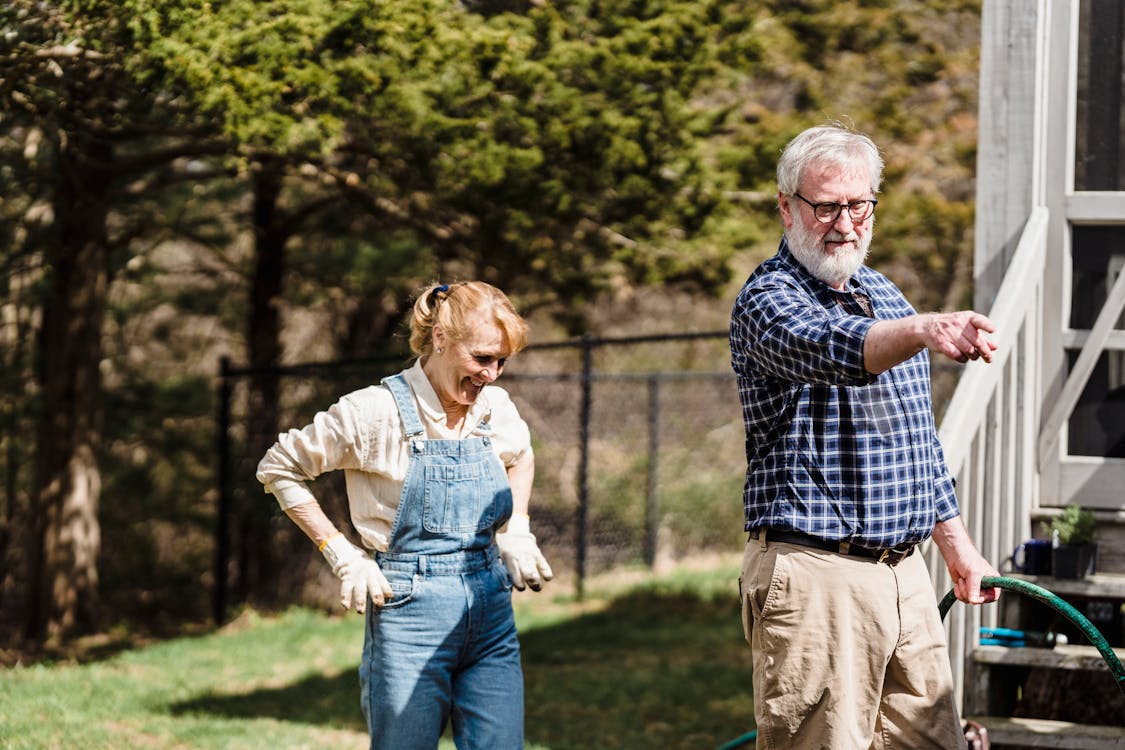
What works well in the garden:
A well-cut trouser in a poly-cotton or cotton-rich fabric, with a half-elasticated or full comfort waistband, in a mid-grey, navy, or khaki. These colours look decent enough for a trip to the garden centre afterwards, and they don’t show dry soil the way black trousers do.
If you want to protect the knees from anything really muddy, a foam kneeling pad does the job far better than any fabric — and it means you don’t need to change what you’re wearing.
Worth knowing: Jolliman’s comfort-waist trousers are designed to look exactly like a traditionally-cut trouser from the front. The elastication sits at the back or sides of the waistband, hidden under your shirt. Nobody will see a difference — but you’ll notice it within the first ten minutes of kneeling in the border.
Jolliman men’s elasticated and comfort waist trousers
What Are the Best Tops for Garden Work?
The most practical garden top is the one you’d wear on a day out anyway — a polo shirt, a casual open-collar shirt, or a lightweight sweatshirt for cooler mornings. The key isn’t finding something dedicated to gardening; it’s choosing something you don’t mind if it picks up a little soil and washes clean every time.
A polo shirt in a poly-cotton blend is the garden workhorse: it looks tidy, washes easily, and the collar keeps the back of your neck from catching too much sun on a bright afternoon. A cotton casual shirt — left untucked, rolled to the elbows — is equally practical and gives you the option of buttoning up if it turns breezy.
A few things worth avoiding:
- Pure white — forgiving enough on the street, unforgiving if you brush a hedge or handle a bag of bark
- Thick fleeces in peak summer — fine in April, too warm from June onwards
- Long, loose cuffs that trail — they catch on everything and get wet on damp mornings
For early summer mornings that warm up quickly, a thin knitted layer — a cotton-rich sweatshirt or a lightweight half-zip — over a short-sleeved polo is ideal. It comes off easily once the sun gets up and folds into a pocket or hangs over the fork handle while you carry on.
Jolliman men’s polo shirts and casual shirts
What Should You Wear on Your Feet in the Garden?
Foot comfort in the garden is more important than most people give it credit for. You’re on your feet for long stretches, often on uneven ground — and if the weather’s been dry the lawn can be surprisingly firm underfoot. A light summer trainer that works well on the pavement won’t give you the same support on border edges or lawn.
For most garden tasks, a sturdy lace-up or touch-fasten leather shoe with a cushioned, grippy sole is the most comfortable choice. It protects your toes if you catch the edge of a spade, gives grip on damp grass, and supports the arch through a long afternoon outside.
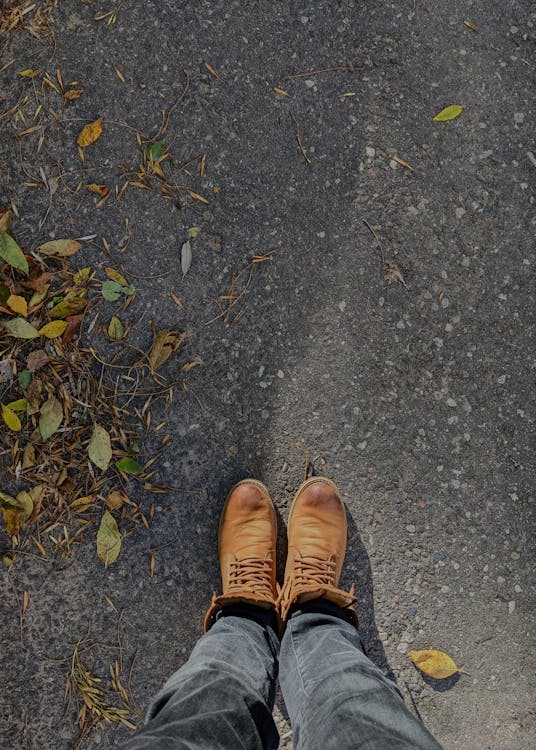
Doctor Keller shoes are built with exactly this kind of practical use in mind. They come in wide and extra-wide fittings — useful in summer when feet tend to swell in the heat, which is very common during warm weather and extended time on your feet. Touch-fasten styles mean you’re not bending down to re-tie laces mid-job, which is a straightforward practical benefit on a busy afternoon.
Feet typically swell by up to 8% in volume during warm weather and prolonged standing, according to research cited by the College of Podiatry (2024). A wide-fitting shoe with a secure but adjustable fastening accommodates that natural change without constricting blood flow. Doctor Keller wide-fit shoes are sized to allow for this, making them well-suited to long sessions outdoors in summer.
Avoid open-toed sandals near tools and borders. Wellingtons are fine in wet weather but unnecessarily heavy for a dry summer afternoon.
Doctor Keller men’s wide-fit shoes
Five Practical Tips for Your Garden Wardrobe
Getting this right doesn’t take much effort. These five things make a genuine difference:
1. Keep a dedicated set of garden clothes
Hold back two or three items specifically for outdoor work — a polo, a comfortable pair of trousers, a solid pair of shoes. Not your most worn-out things, but things you’re happy to get soil on. Wash them regularly and they’ll last for several seasons.
2. Wash at 40°C after every session
Soil and grass stains don’t improve with age. A poly-cotton trouser or shirt washes clean at 40°C and dries quickly. Don’t leave garden clothes sitting in the basket for days — fresh soil comes out far more easily than dried stains.
3. Wear a hat in June and July
Especially if your garden gets full afternoon sun. A wide-brimmed hat or a decent cap keeps the glare off your face and reduces the risk of heat discomfort during longer sessions. It’s not glamorous, but it makes a real difference on a bright afternoon.
4. Keep a layer near the back door
A thin cardigan or zip sweatshirt hung near the door means you can grab it quickly if the morning is cool or the wind picks up. You won’t go back inside for it and then forget to go back out.
5. Use knee pads, not your trousers
A foam kneeling pad protects your knees far better than any fabric can, and it means you can wear whatever you like without worrying. Jolliman’s Homelya range includes practical garden kneelers that fold flat for storage — well worth having near the shed door.
Real-world note: The most common garden wardrobe mistake isn’t wearing the wrong thing — it’s wearing things so old and stretched they’re uncomfortable to work in. Good garden clothes don’t need to be expensive. They just need to fit properly, wash well, and not be an afterthought.
Homelya practical home and garden range
Ready to Sort Your Summer Garden Wardrobe?
Jolliman stocks the practical everyday pieces that work just as well in the garden as anywhere else — comfort-waist trousers that move with you, easy-care polo shirts and casual shirts in cotton and poly-cotton, lightweight knitwear for early mornings, and Doctor Keller footwear in wide and extra-wide fittings. Browse the full range and find what works for you.
Jolliman men’s summer clothing
Frequently Asked Questions
What are the best trousers for gardening in summer?
Lightweight cotton or poly-cotton trousers with an elasticated or comfort waistband are the best choice for summer gardening. They allow free movement when kneeling and bending, wash at 40°C, and dry quickly. Mid-grey, khaki, or navy are the most practical colours — they look presentable and don’t show dry soil badly.
Is cotton better than synthetic fabric for garden clothes?
Yes, for summer use. 79% of UK consumers prefer cotton or cotton blends over synthetics, with 67% citing comfort as the main reason (Cotton Incorporated Lifestyle Monitor, 2025). Cotton breathes better in warm weather and stays more comfortable during physical work than man-made fabrics.
What shoes should I wear in the garden?
A sturdy lace-up or touch-fasten leather shoe with a cushioned, grippy sole is the safest and most comfortable choice. Avoid open-toed sandals near tools. Wide-fit shoes — such as Doctor Keller styles — are particularly sensible in summer, when feet tend to swell in the heat during long periods on your feet.
How do I keep gardening clothes looking decent?
Wash poly-cotton garden clothes at 40°C after each session and treat soil or grass stains before washing — fresh marks come out far more easily than dried ones. Avoid hot dryer cycles repeatedly, as high heat shrinks cotton over time. Air-dry when you can.
What’s the one most useful thing to add to a garden wardrobe?
A well-fitting polo shirt in a poly-cotton blend. It’s comfortable in warm weather, looks tidy if you need to pop out to the garden centre, washes easily, and works as a base layer under a sweatshirt on cooler mornings. One in navy and one in a lighter colour covers most occasions.
In Summary
Getting dressed for the garden doesn’t have to be a sacrifice. The right choices — a comfortable pair of practical trousers, a cotton or poly-cotton shirt, a pair of well-fitting shoes — mean you can spend a full afternoon outside in genuine comfort, without worrying about your good kit.
The best summer garden wardrobe isn’t a collection of dedicated workwear. It’s a small set of well-chosen everyday pieces that happen to be exactly right for the job. Easy to wash, comfortable to work in, and presentable enough that you can carry on with the rest of the day without changing.
Over 34 million UK adults garden regularly (RHS, 2025). The ones who enjoy it most are the ones who’ve sorted out what they wear.
Jolliman summer clothing range
Doctor Keller men’s shoes
Related posts:
 Spring Cleaning and Garden Spruce-Up: Transform Your Outdoor Space with Homelya Garden Essentials
 Lambretta Clothing: The Mod Heritage Brand Worth Knowing
 Combat Trousers for Every Adventure: Style, Comfort, and Practicality with Jolliman
 How Cultivating Plants Can Boost Your Mental Wellbeing
 Tips to Stay Cool in the UK
Leave a Reply
You must be logged in to post a comment.