
Aging is a journey – unique to each of us – but one powerful truth holds steady: staying active is one of the most transformative choices we can make as we grow older. For older adults, physical activity isn’t just about maintaining strength or mobility – it’s a gateway to greater independence, sharper mental focus, deeper social connections, and, above all, a richer, more vibrant life.

The challenge isn’t simply doing exercise – it’s learning to love it. When movement becomes meaningful, joyful, and tailored to personal interests and needs, it ceases to feel like a chore and starts to feel like something to look forward to.
This guide offers a range of enjoyable, accessible exercises that prove you don’t need to be a gym-goer to stay active – you just need to move in ways that bring you joy.
The Power of Movement in Later Life
Physical activity is a proven ally in healthy aging. Its benefits touch every aspect of life:
- Boosts mood and reduces stress
- Improves heart health and blood pressure
- Preserves bone strength and muscle mass
- Sharpens memory and brain function
- Supports balance and reduces fall risk
- Fosters connection and community
Even small, consistent movements add up to big changes over time. The most important thing? Start where you are – and keep going.
Walking: The Ultimate Everyday Exercise
Walking remains one of the most effective and accessible forms of exercise. It’s free, low-impact, and can be easily adapted to individual energy levels.
Benefits of walking include:
- Improved circulation and heart health
- Reduced joint stiffness
- Mental clarity from being outdoors
- Opportunities to socialise with walking groups or neighbours
Tip: Walk with a friend or join a local walking club for extra motivation and companionship.
Water Workouts: Gentle on Joints
Water-based exercise—such as swimming or aqua aerobics – is ideal for those with arthritis, limited mobility, or joint pain.
Why it works:
- Water reduces joint stress while adding natural resistance
- Full-body movements help build strength and flexibility
- Group classes offer structure, fun, and social connection
Check your local leisure centre for senior-friendly aqua classes or swim times.
Dance for Joy, Balance & Brain Health
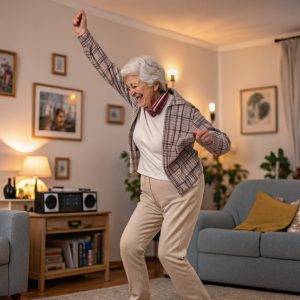
From waltzing to Zumba, dance brings joy, rhythm, and a sense of play to movement. It also supports physical coordination and cognitive stimulation—learning new steps and sequences gives the brain a workout, too.
Dance benefits:
- Boosts cardiovascular health
- Enhances balance and motor control
- Encourages laughter and connection
- Improves confidence in body movement
Whether you prefer line dancing, ballroom, or chair-based dance, there’s a class (or YouTube video!) for every level.
Yoga and Tai Chi
Yoga and tai chi are ideal for improving posture, breath control, and balance – all vital elements of safe, independent movement.
Benefits include:
- Increased flexibility and joint mobility
- Reduced stress and anxiety
- Improved core strength and fall prevention
- Enhanced body awareness and coordination
Look for classes geared specifically toward older adults, often labelled “Gentle Yoga” or “Chair Yoga,” with options that include seated and standing poses.
Building Confidence & Independence
Many older adults shy away from strength training – but it’s one of the most crucial forms of exercise for maintaining independence.
Using light weights or resistance bands helps:
- Preserve muscle mass and bone density
- Reduce the risk of osteoporosis and falls
- Improve grip strength, essential for everyday tasks
- Support posture and joint stability
You don’t need to lift heavy – just move with control and consistency. Ask your local community centre about beginner strength classes or supervised gym sessions.
Turning Activity into a Habit
The secret to staying active long-term? Make it enjoyable, social, and rewarding.
Try these simple strategies:
- Choose what you love – Dance, swim, stretch, garden—if it brings joy, it counts.
- Buddy up – You’re more likely to keep going with a partner or group.
- Schedule it – Set aside time each day for movement, just like any appointment.
- Celebrate progress – Track your activity and celebrate milestones, no matter how small.
- Start slow, build steadily – Five minutes a day is better than none. Momentum grows with consistency.
The Emotional Return
What makes these exercises truly special is that they don’t just improve physical health – they uplift the spirit. They provide routine, purpose, and opportunity. They turn solitary moments into shared laughter. They show us that aging can be active, empowered, and full of discovery.
In every walk, swim, stretch, or dance step lies a quiet declaration: “I’m still growing, still thriving, still me.”
Move Your Way, Every Day
There’s no perfect plan or ideal pace – just the decision to keep moving in whatever way feels right. Staying active is not about achieving youth – it’s about celebrating life, ability, and potential at any age.
So stretch, sway, stroll, or splash – whatever helps you feel strong, connected, and alive.
Because aging isn’t about slowing down. It’s about moving forward – one joyful step at a time.
Leave a Reply
You must be logged in to post a comment.