
Maintaining mobility and independence is a cornerstone of healthy aging, and for the older generation, the ability to stand and walk confidently is paramount. Body weight exercises offer a practical, accessible, and effective solution to enhance these vital functions. These exercises are not only cost-effective and adaptable to various fitness levels, but they also provide a safer alternative to high-impact activities, reducing the risk of injury. By focusing on strengthening the muscles that support standing and walking, such as the quadriceps, hamstrings, calves, and core, seniors can improve their posture, stability, and overall mobility. This, in turn, contributes to fall prevention and enhances the quality of life. Through this guide, we explore the benefits of body weight exercises, the specific movements that can aid in improving standing and walking, and how older adults can incorporate these exercises into their daily routines for optimal health and independence.

A Comprehensive Guide to Body Weight Exercises for the Older Generation: Enhancing Standing and Walking
As we age, maintaining mobility and independence becomes increasingly important. The ability to stand and walk with confidence is not just about physical health; it also significantly impacts mental well-being and quality of life. For the older generation, body weight exercises offer a practical and effective way to enhance these essential functions. These exercises are not only accessible and cost-effective but also adaptable to various fitness levels, making them an ideal choice for seniors looking to improve their strength, balance, and coordination.
Key Exercises and Their Benefits
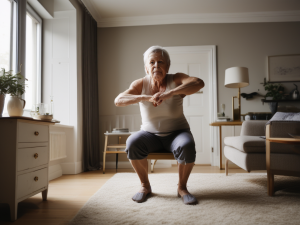
1. Sit-to-Stand Exercise
- Purpose: Mimics the action of getting up from a chair, enhancing leg strength and stability.
- How to Perform:
- Sit on a sturdy chair with your feet flat on the ground, shoulder-width apart.
- Lean slightly forward, engaging your core muscles.
- Push through your heels to stand up, using your arms for support if needed.
- Slowly lower yourself back into the chair.
- What to Look For: Ensure your knees do not extend past your toes when standing. Keep your back straight and avoid leaning too far forward.
- Benefits: Improves muscle strength in the legs and core, which is essential for daily activities.
- Progression: Increase the number of repetitions or perform the exercise without using hands for support.
- Regression: Perform the exercise with a higher chair or use armrests for assistance.
2. Heel-to-Toe Walk
- Purpose: Enhances balance and coordination.
- How to Perform:
- Stand tall with your feet together.
- Step forward with one foot, placing the heel directly in front of the toes of the other foot.
- Continue walking in a straight line, focusing on maintaining balance.
- What to Look For: Keep your head up and eyes forward, not looking down at your feet. Use a wall or countertop for support if needed.
- Benefits: Improves stability, reducing the risk of falls.
- Progression: Increase the distance walked or perform the exercise on a straight line.
- Regression: Perform the exercise while holding onto a wall or countertop for support.
3. Wall Push-Ups
- Purpose: Strengthens the upper body and core.
- How to Perform:
- Stand facing a wall, about an arm’s length away.
- Place your hands on the wall at shoulder height, slightly wider than shoulder-width apart.
- Bend your elbows to lean towards the wall, keeping your body straight.
- Push back to the starting position.
- What to Look For: Keep your body in a straight line from head to heels. Avoid arching your back or letting your hips sag.
- Benefits: Enhances muscle strength without straining the joints.
- Progression: Move to a lower surface, such as a sturdy table or countertop.
- Regression: Stand further away from the wall to decrease the intensity.
4. Single-Leg Stand
- Purpose: Improves balance and stability.
- How to Perform:
- Stand tall with your feet hip-width apart.
- Shift your weight onto one leg and lift the other leg slightly off the ground.
- Hold the position for as long as comfortable, then switch legs.
- What to Look For: Keep your standing leg slightly bent and your core engaged. Avoid leaning to one side.
- Benefits: Enhances proprioception and reduces fall risk.
- Progression: Hold the position for longer or perform the exercise with eyes closed.
- Regression: Perform the exercise while holding onto a chair or wall for support.
5. Seated Leg Lifts
- Purpose: Strengthens the hip flexors and quadriceps.
- How to Perform:
- Sit on a sturdy chair with your back straight and feet flat on the ground.
- Extend one leg out in front of you, keeping it straight.
- Hold for a few seconds, then lower it back down.
- What to Look For: Keep your back straight and avoid leaning back in the chair. Engage your core throughout the movement.
- Benefits: Improves leg strength and mobility.
- Progression: Increase the number of repetitions or hold the leg in the lifted position for a few seconds.
- Regression: Perform the exercise with a lighter leg lift or while seated in a more supportive chair.
Getting Started Safely
Before starting any exercise routine, it is essential to consult with a healthcare provider, especially for those with pre-existing health conditions. Creating a safe environment is crucial; exercises should be performed on a stable surface, and any potential hazards, such as loose rugs or clutter, should be removed. A gentle warm-up, such as marching in place or gentle arm circles, can help prepare the body for exercise.
Conclusion: Embracing a Healthier Future with Body Weight Exercises
Incorporating body weight exercises into a regular fitness routine can significantly enhance the ability of older adults to stand and walk with greater ease and confidence. These exercises not only improve physical health but also contribute to mental well-being, offering a sense of accomplishment and purpose. By prioritising body weight exercises, the older generation can look forward to a healthier, more active, and fulfilling life.
Medical Disclaimer: This blog post is for informational purposes only and is not intended as medical advice. Always consult with a healthcare professional before starting any new exercise programme, especially if you have any pre-existing health conditions or concerns.


Leave a Reply
You must be logged in to post a comment.