
Maintaining a healthy diet becomes increasingly important for our overall well-being as we age. For older adults in the UK, nourishing the body with the right foods can lead to improved health, increased energy levels, and a better quality of life. In this blog post, we will explore essential healthy eating tips tailored specifically for older adults, helping you make informed choices that support your health and vitality.
Understanding Nutritional Needs
As we grow older, our nutritional needs change. older adults often require fewer calories but more nutrients to support their health. Key nutrients to focus on include:
- Protein: Essential for maintaining muscle mass and strength. Include sources such as lean meats, fish, eggs, beans, and legumes.
- Calcium and Vitamin D: Important for bone health. Dairy products, leafy greens, and fortified foods can help meet these needs.
- Fibre: Aids digestion and helps prevent constipation. Whole grains, fruits, and vegetables are excellent sources of fibre.
- Hydration: Staying hydrated is crucial for overall health. older adults should aim to drink plenty of water throughout the day, even if they don’t feel thirsty.
Embrace a Balanced Diet

A balanced diet is key to maintaining health as we age. Aim to fill your plate with a variety of foods from all food groups:
- Fruits and Vegetables: Aim for at least five portions a day. Fresh, frozen, or canned options (without added sugar or salt) are all good choices.
- Whole Grains: Choose whole-grain bread, pasta, and rice over refined options to increase fibre intake.
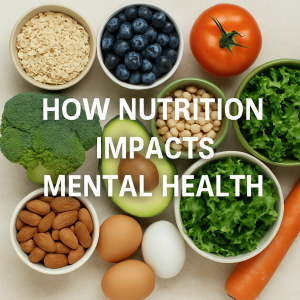
- Healthy Fats: Incorporate sources of healthy fats, such as avocados, nuts, seeds, and olive oil, while limiting saturated and trans fats.
Meal Planning and Preparation
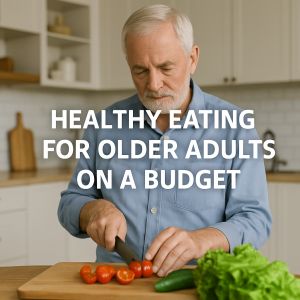
Planning meals can help older adults make healthier choices and reduce the temptation to opt for convenience foods. Here are some tips:
- Create a Weekly Menu: Plan meals for the week, including breakfast, lunch, dinner, and snacks. This can help ensure a balanced diet and reduce food waste.
- Batch Cooking: Prepare larger portions of meals and freeze leftovers for quick and easy meals on busy days.
- Involve Family: Encourage family members to join in meal preparation. Cooking together can be a fun way to bond while promoting healthy eating.
Mindful Eating

Practising mindful eating can enhance the enjoyment of meals and help older adults listen to their bodies’ hunger cues. Consider the following:
- Eat Slowly: Take time to savour each bite, which can help with digestion and prevent overeating.
- Limit Distractions: Try to eat meals without distractions, such as television or smartphones, to focus on the food and the experience of eating.
Seek Professional Guidance
If you have specific dietary needs or health concerns, consider consulting a registered dietitian or nutritionist. They can provide personalised advice and meal plans tailored to your individual health goals.
Conclusion
Healthy eating is a vital component of maintaining well-being as we age. By embracing a balanced diet, planning meals, and practising mindful eating, older adults can nourish their bodies and enhance their quality of life. Remember, it’s never too late to make positive changes to your diet, and every small step counts towards a healthier future.
If you’re a older adult looking to improve your eating habits, start by incorporating one or two of these tips into your daily routine. Share your healthy eating experiences with friends and family to inspire others on their journey to better health.
Disclaimer
The information provided in this blog is for general informational purposes only and is not intended as medical advice. Always consult with a qualified healthcare provider or nutritionist before making significant changes to your diet or lifestyle, especially if you have existing health conditions.


Leave a Reply
You must be logged in to post a comment.