
As the chilly winds of winter sweep across the United Kingdom, it’s crucial for older adults to take extra precautions to maintain their health and well-being. The cold season brings unique challenges for the elderly, but with proper preparation and care, it’s possible to stay safe, comfortable, and healthy throughout the winter months.
Keeping Warm
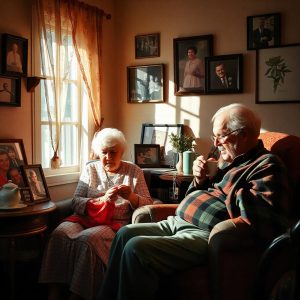
Maintaining a warm environment is essential for older adults during winter. The UK Health Security Agency recommends keeping the main living area at 18°C (64°F) and other occupied rooms at 16°C (61°F)[1]. This helps prevent cold-related illnesses and reduces the risk of falls.
Dressing for Warmth
Layering clothing is an effective way to trap heat and regulate body temperature. Opt for thermal undergarments, warm sweaters, and cozy outerwear when venturing outside. Don’t forget to protect extremities with gloves, warm socks, and a hat.
Maintaining a Healthy Diet
A balanced diet is crucial for supporting the immune system during winter. Consume plenty of fruits and vegetables, whole grains, and lean proteins. Warm, nutritious meals like soups and stews can provide comfort and essential nutrients.
Staying Hydrated
While it’s easy to forget about hydration in colder weather, it remains vital. Drink plenty of fluids, including warm beverages like herbal teas, to stay hydrated and maintain body temperature.
Physical Activity and Fall Prevention
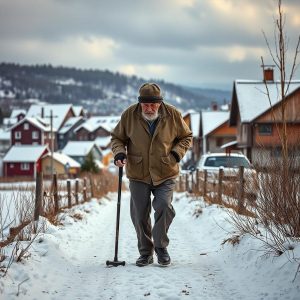
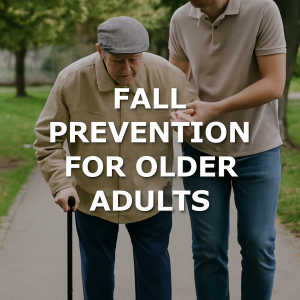
Regular physical activity is important for maintaining strength, balance, and overall health. Indoor exercises or gentle walks on clear days can help keep the body active. However, be cautious of icy conditions to prevent falls.
Mental Well-being
Winter can be a challenging time for mental health, especially with shorter days and potential isolation. Engage in activities that bring joy, stay connected with loved ones, and consider seeking support if feeling low or anxious.
Regular Check-ups
Schedule winter wellness check-ups with your GP to address any seasonal health concerns and review medications.
Vaccinations
Get the flu vaccine and COVID-19 booster as recommended. These are often free for older adults and can significantly reduce the risk of serious illness.
Home Safety
Ensure your home is winter-ready by checking heating systems, sealing drafts, and having emergency supplies on hand. Consider installing grab bars in bathrooms and ensuring adequate lighting to prevent falls.
Community Support
Be aware of local resources available for seniors, such as meal delivery services or transportation assistance. Don’t hesitate to reach out to family, friends, or neighbours for support when needed.
Disclaimer
This blog post is intended for general informational purposes only and should not be considered as medical advice. Every individual’s health needs are unique, and it’s important to consult with a qualified healthcare professional for personalised medical advice, diagnosis, or treatment. If you have any concerns about your health or the information provided here, please speak with your doctor or a qualified healthcare provider.

Leave a Reply
You must be logged in to post a comment.