
Eating well is a cornerstone of living well—especially in our later years. As our bodies change, our nutritional needs shift, often requiring fewer calories but more essential nutrients. At the same time, many older adults face the challenge of stretching fixed incomes. The good news? Eating healthily doesn’t have to mean spending more.

With smart planning, savvy shopping, and a few kitchen hacks, older adults can enjoy nourishing meals that support their health, energy, and independence -without breaking the bank.
This guide is here to help.
Why Nutrition Matters More as We Age
Aging bodies process food differently. Metabolism slows, taste buds dull, and digestion can become more sensitive. But the need for vitamins, minerals, fiber, and lean protein doesn’t go away – in fact, it becomes even more important to support:
- Bone and joint health
- Muscle maintenance
- Cognitive function
- Immune resilience
That’s why nutrient-dense meals – not just filling ones – are key.
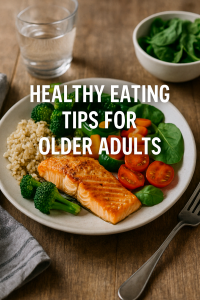
Building a Budget-Friendly, Balanced Plate
The ideal meal for an older adult should be rich in nutrition per calorie, focusing on affordability, accessibility, and ease of preparation.
Here’s what to prioritise:
- Whole grains – oats, brown rice, wholegrain bread
- High-fibre fruits and vegetables – apples, carrots, leafy greens
- Lean proteins – tinned tuna, lentils, eggs, chicken thighs
- Healthy fats – olive oil, avocados (when in season), nuts (bought in bulk)
- Calcium-rich foods – milk, cheese, yoghurt, leafy greens
Tip: Many of these items can be bought frozen or canned to cut costs and reduce waste, without sacrificing nutrition.
Smart Shopping Strategies That Save Money
Plan Ahead
Create a simple weekly meal plan. It reduces impulse buying and ensures that no food goes to waste.
Make a List (and Stick to It!)
Lists prevent wandering down tempting aisles or double-buying. Base your list on what’s already in your cupboard and what’s on special.
Shop Sales and Use Loyalty Points
Check store flyers or apps for deals. Many supermarkets offer loyalty schemes with discounts or points that add up over time.
Buy in Bulk – When it Makes Sense
Items like oats, rice, lentils, tinned tomatoes, and dry pasta store well and can save you pounds in the long run.
Choose Own Brands
Supermarket own-label versions of essentials are often just as nutritious as branded products – for a fraction of the price.
Fresh Doesn’t Have to Mean Expensive
Eating seasonally is one of the simplest ways to get affordable and nutritious produce. Not only are in-season fruits and vegetables cheaper, they also taste better and have higher nutritional value.
Visit local farmers’ markets, which often have lower prices near closing time. Also consider community garden schemes or produce-sharing groups in your area.
And don’t shy away from frozen fruits and veg – they’re picked at their peak and retain nutrients beautifully.
Tasty, Healthy, and In Your Control
Cooking at home gives older adults full control over what’s going into their food – less salt, sugar, and processed additives.
Easy Prep Tips:
- Batch cook and freeze: Make big pots of soup, chilli, or stew to portion out across the week.
- Use one-pot recipes: Easy to make, easy to clean up.
- Try slow cookers: Affordable and great for preparing flavourful, tender meals with minimal effort.
- Use herbs and spices: They enhance taste without added salt.
If standing for long periods is difficult, sit while prepping, or cook in stages.
Don’t Forget to Hydrate
Older adults are more susceptible to dehydration—but drinking enough doesn’t have to be a chore.
- Keep a water bottle or glass nearby and sip throughout the day.
- Add lemon, cucumber, or mint to make water more appealing.
- Herbal teas count too—just watch out for added sugars.
- Include hydrating foods like cucumber, oranges, and soups in your daily meals.
Proper hydration supports digestion, joint health, and energy levels.
Making Nutrition Accessible
Many communities offer meal delivery programmes, discounted food boxes, or free nutrition workshops for older adults. Organisations like Age UK, Meals on Wheels, and local councils often have resources that can stretch your food budget further.
Don’t hesitate to ask a GP, community nurse, or local support group for referrals.
Healthy Eating Is Possible at Any Age – or Any Budget
Eating well in later life is about making the most of what you have, not about perfection. Small, sustainable changes can add up to big improvements in wellbeing, energy, and independence.
With thoughtful planning, budget-wise shopping, and a bit of creativity in the kitchen, nutritious eating can be both achievable and enjoyable – proving that you don’t need to spend more to feel better.



Leave a Reply
You must be logged in to post a comment.