
The energy price cap rises to £1,723 a year for a typical household from 1 October 2026, and early forecasts point to a further rise in January (Ofgem). Over 3 million UK adults aged 65 and over say they’re worried about affording to stay warm this winter, and 42% list energy bills as their single biggest winter concern (Age UK; Credit Connect).
The instinct when a bill like that lands is to turn the heating down and grit your teeth through it. That’s the wrong fix. Most of the heat a home loses escapes through gaps that cost very little to seal, and there’s real financial help available that a lot of people simply aren’t claiming. Here’s where the money actually goes, and what to do about it.
Key Takeaways
- The energy price cap rises to £1,723 a year from October 2026, with a further rise expected in January (Ofgem)
- Draught-proofing typically costs under £50 in DIY materials and saves around £190 a year (Energy Saving Trust)
- Turning the thermostat down by just 1°C, from 22°C to 21°C, can save £120 a year (Energy Saving Trust)
- Everyone at State Pension age qualifies for Winter Fuel Payment in 2026/27, with the qualifying week running 21 to 27 September 2026
Jolliman home essentials range
What’s Happening to Energy Bills This Winter?
Ofgem’s price cap rose to £1,723 a year for a typical direct debit household from 1 October 2026, and early forecasts suggest gas prices could rise a further 12% in the first quarter of 2027. There is some relief built in too: VAT on domestic electricity drops from 5% to 0% between 1 October 2026 and 31 March 2027, which softens the blow slightly without solving the underlying problem.
None of that is within your control. What you can control is how much of the heat you’re already paying for actually stays in the house.
What’s the Cheapest Way to Stop Losing Heat?
Draught-proofing is the best-value fix most homes never get round to. For under £50 in DIY materials, sealing the gaps where warm air escapes typically saves around £190 a year (Energy Saving Trust). Windows and doors alone account for £25 to £35 of that. An unused chimney, left unblocked, can account for another £35 a year on its own. Floorboards on a ground floor with a gas heating system can lose as much as £85 a year if left unsealed.
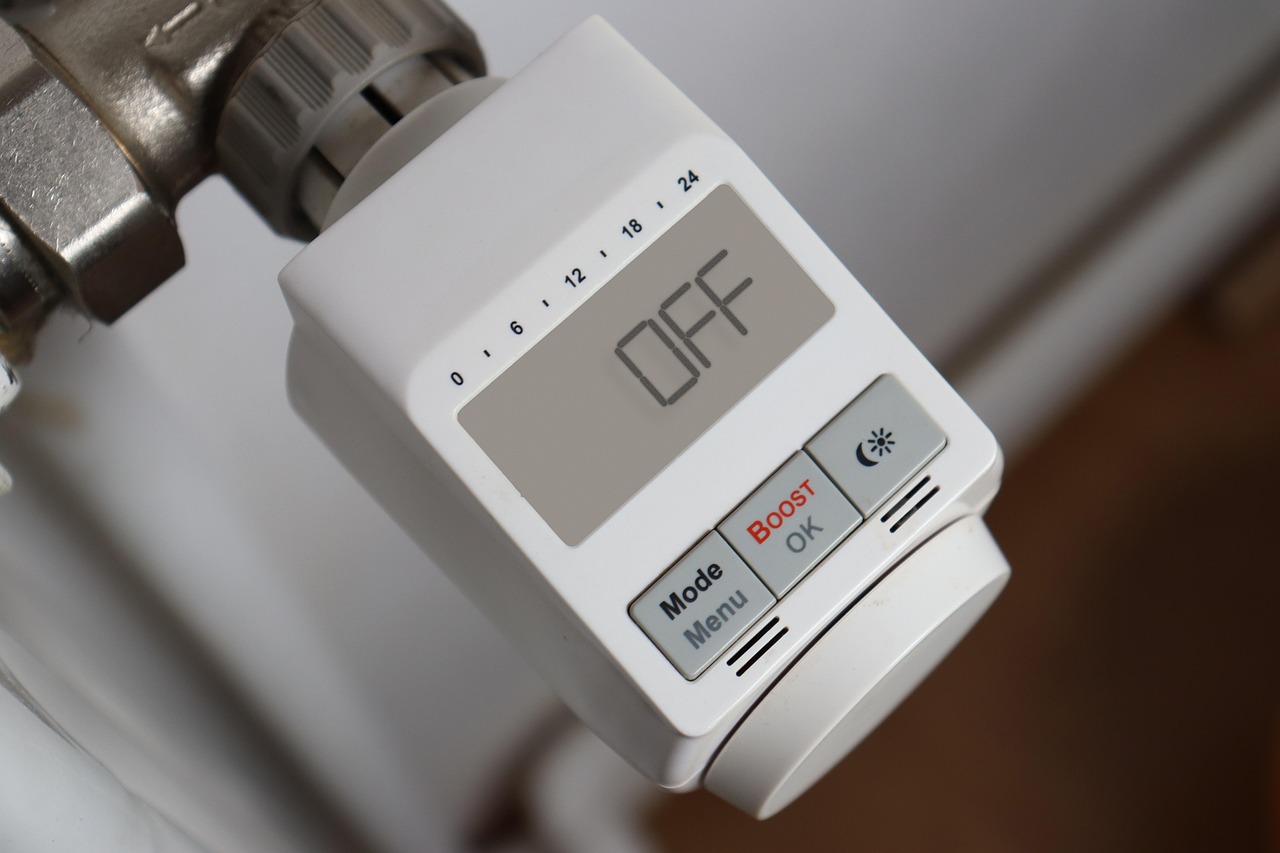
Worth knowing: Check for gaps by feeling for a cold draught around window and door frames on a breezy day, or watching for a lit candle flickering near a skirting board. Don’t block extractor fans or trickle vents though. A draught-free home still needs some ventilation to avoid damp.
Does Turning the Thermostat Down Really Help?
Yes, and by more than most people expect. Turning the thermostat down by just 1°C, from 22°C to 21°C, saves around £120 a year in Great Britain (Energy Saving Trust). A draught-free home feels comfortable at a lower setting than a draughty one, which is exactly why draught-proofing and a modest thermostat drop work best done together rather than one without the other.
Are You Getting the Winter Fuel Payment You’re Entitled To?
For 2026/27, everyone who has reached State Pension age by the end of the qualifying week, 21 to 27 September 2026, is eligible for Winter Fuel Payment. That’s a genuine change from recent years, when eligibility was tied to receiving Pension Credit. The one catch is an income threshold of £35,000 a year. Above that, the payment is automatically clawed back through the tax system, so there’s no separate means test to apply for, simply a repayment if your income is above the threshold.
Real-world note: If you’ve reached State Pension age and haven’t previously claimed anything because you didn’t qualify under the old Pension Credit rules, it’s worth checking again. The rules changed, and a payment that wasn’t available to you two winters ago may well be now. For the full breakdown of what else you’re entitled to, see our guide to what you’re entitled to at State Pension age.
What Can You Wear Indoors to Cut the Heating Bill?
The cheapest degree of warmth is the one you’re already wearing. A thin brushed-thermal layer under an everyday shirt, or a lightweight fleece or poly-cotton jumper over the top, adds a genuine degree or two of comfort without touching the thermostat at all. It’s the same layering principle that works outdoors, just applied to a cooler room rather than a cold morning. For the full approach, see our guide to autumn layering without the bulk.
Jolliman men’s knitwear and thermal layers
Five Cheap Fixes Worth Doing This Month
- Draught-proof doors and windows first. It’s the single best-value fix, typically under £50 and worth around £190 a year.
- Drop the thermostat by 1°C. Most people don’t notice the difference in comfort, but do notice the £120 a year it saves.
- Check you’re claiming Winter Fuel Payment. The rules changed for 2026/27, so it’s worth checking again even if you didn’t qualify before.
- Close curtains at dusk, not after dark. A closed curtain traps heat that would otherwise escape through the glass for hours.
- Layer up before turning the heating up. A thin base layer under everyday clothes often does more for comfort than another degree on the thermostat.
Ready to Stay Warm Without Watching the Meter?
Jolliman stocks the practical layers that add real warmth without touching the thermostat, brushed thermal base layers, lightweight knitwear and fleece for indoors as well as out. Browse the full range and take some of the pressure off the heating bill this winter.
Jolliman men’s clothing · Jolliman home essentials
Frequently Asked Questions
How much can draught-proofing actually save?
Around £190 a year for under £50 in DIY materials, according to the Energy Saving Trust. Windows and doors alone typically save £25 to £35 a year, while sealing an unused chimney can save around £35 a year on its own.
Does turning the thermostat down 1 degree make a real difference?
Yes. Turning it down from 22°C to 21°C saves around £120 a year in Great Britain (Energy Saving Trust). A draught-free home feels comfortable at a lower setting, so the two savings work best combined.
Who is eligible for Winter Fuel Payment in 2026/27?
Everyone who has reached State Pension age by the end of the qualifying week, 21 to 27 September 2026, is eligible. There’s an income threshold of £35,000 a year, above which the payment is automatically clawed back through the tax system rather than requiring a separate application.
Is the energy price cap going up again this winter?
Yes. It rose to £1,723 a year for a typical household from 1 October 2026, and early forecasts point to a further rise in the first quarter of 2027 as gas prices continue to climb (Ofgem).
What’s the cheapest way to stay warmer without raising the heating?
A thin thermal base layer under everyday clothes adds noticeable warmth for very little cost, and it works whether you’re at home or heading out. Combined with basic draught-proofing, it’s often enough to avoid raising the thermostat at all.
In Summary
Rising bills feel like something you can’t do much about, but a lot of the heat you’re paying for is escaping through gaps that cost under £50 to fix. Draught-proofing and a modest thermostat drop together can save well over £300 a year, and Winter Fuel Payment rules have genuinely changed for 2026/27, so it’s worth checking your eligibility even if you didn’t qualify before.
Layer up before you turn the heating up. It’s the cheapest degree of warmth in the house.

Leave a Reply
You must be logged in to post a comment.