
As we navigate the complexities of aging, the pursuit of peace and wellbeing becomes increasingly important. Mindfulness and meditation have emerged as invaluable tools for stress relief, offering older adults a pathway to tranquillity and resilience. These practices, rooted in ancient traditions, have gained modern recognition for their profound impact on mental and physical health. By fostering a deeper connection with the present moment, mindfulness and meditation empower individuals to face the unique challenges of later life with grace and acceptance.

Understanding Mindfulness and Meditation
Mindfulness involves cultivating an awareness of the present, allowing individuals to engage fully with their thoughts, emotions, and surroundings without judgment. This practice can be particularly beneficial for older adults, as it encourages a focus on the here and now, rather than dwelling on past regrets or future uncertainties.
Meditation, encompassing a variety of techniques, complements mindfulness by providing structured methods to enhance relaxation and emotional well-being. Together, these practices offer a holistic approach to managing stress, improving cognitive function, and promoting overall health.
Simple Techniques for Mindfulness and Meditation
- Mindful Breathing
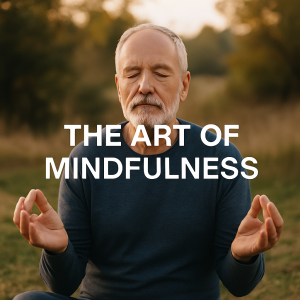
- How to Practice: Sit comfortably in a quiet space. Close your eyes and take a deep breath in through your nose, allowing your abdomen to expand. Exhale slowly through your mouth. Focus on the sensation of your breath entering and leaving your body. If your mind wanders, gently bring your focus back to your breath.
- Benefits: This technique helps calm the mind and reduce anxiety, making it an excellent starting point for beginners.
- Body Scan Meditation
- How to Practice: Lie down comfortably or sit in a chair. Close your eyes and take a few deep breaths. Starting from your toes, focus on each part of your body, noticing any sensations or tension. Gradually move up to your head, spending a few moments on each area.
- Benefits: This practice enhances bodily awareness and promotes relaxation, which is particularly beneficial for managing chronic pain or discomfort.
- Loving-Kindness Meditation
- How to Practice: Sit comfortably and close your eyes. Begin by focusing on yourself, silently repeating phrases like “May I be happy, may I be healthy, may I be safe.” Gradually extend these wishes to loved ones, acquaintances, and even those you find challenging.
- Benefits: This technique fosters compassion and can alleviate feelings of loneliness and isolation.
- Mindful Walking
- How to Practice: Find a quiet space where you can walk slowly. Focus on the sensation of your feet touching the ground, the rhythm of your breath, and the sights and sounds around you. Walk at a pace that feels comfortable, allowing yourself to be fully present in the experience.
- Benefits: This practice combines physical activity with mindfulness, promoting both mental and physical well-being.
- Gratitude Journaling
- How to Practice: Set aside a few minutes each day to write down three things you are grateful for. They can be as simple as a warm cup of tea or a conversation with a friend. Reflect on why you appreciate these moments.
- Benefits: This practice shifts focus from stressors to positive aspects of life, enhancing overall mood and outlook.
The Benefits of Mindfulness and Meditation for Older Adults
- Emotional Regulation: These practices enhance emotional intelligence, helping individuals process feelings more effectively and reducing anxiety and depression.
- Cognitive Health: Regular mindfulness and meditation can improve attention, memory, and executive function, crucial for maintaining independence.
- Physical Health: Mindfulness can lower blood pressure, improve sleep quality, and boost the immune system, contributing to better overall health.
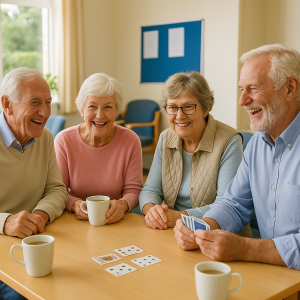
- Social Connections: Engaging in group mindfulness or meditation classes fosters a sense of community and belonging, combating feelings of isolation.
Getting Started
Incorporating mindfulness and meditation into daily life can be as simple as setting aside a few minutes each day to sit quietly and focus on the breath. For those new to these practices, guided meditations and mindfulness apps can offer valuable support and structure. Community classes and online groups can also provide a sense of connection and shared experience.
Ultimately, mindfulness and meditation offer a gentle yet profound way to enhance well-being and resilience in the face of life’s inevitable challenges. By embracing these practices, older adults can cultivate a deeper sense of peace and fulfilment, enriching their later years with greater joy and contentment.

Leave a Reply
You must be logged in to post a comment.