

As the chill of winter begins to wane and the first signs of spring emerge, UK gardeners find themselves at a pivotal moment. Preparing your garden for the upcoming season is not just a task of routine maintenance; it is an opportunity to rejuvenate your outdoor space, ensuring it thrives in the months to come. The tasks undertaken now will not only enhance the health and vitality of your plants but also contribute to the ecological balance of your outdoor space.
The first step in preparing your spring garden is to assess the condition of your soil. After months of cold and wet weather, soil can become compacted, which hinders root growth and water drainage. To remedy this, gardeners should start by turning the soil with a fork or tiller, breaking up clumps and aerating the ground. This process not only improves soil structure but also allows for the incorporation of organic matter such as compost or well-rotted manure. These amendments enrich the soil with essential nutrients, promoting healthy plant growth and improving moisture retention.
Once the soil is prepared, attention should turn to the removal of weeds and debris. Winter often leaves behind a layer of dead leaves, twigs, and other organic matter that can smother new growth. Clearing this debris is vital to prevent the spread of pests and diseases that thrive in decaying plant material. Weeds, which compete with your plants for nutrients and water, should be meticulously removed, roots and all, to prevent them from re-establishing. This task, though labour-intensive, is essential for maintaining a healthy garden ecosystem.
Pruning is another critical task that should not be overlooked. Many plants benefit from a good prune in early spring, which encourages healthy growth and improves flowering. Focus on removing dead or damaged branches and thinning out dense growth to allow light and air to penetrate the plant. This is particularly important for fruit trees and shrubs, as proper pruning can significantly enhance fruit production.
Spring is also the ideal time to plan and plant new additions to your garden. Whether you are sowing seeds or planting young plants, timing is crucial. Hardy annuals and perennials can be sown directly into the ground once the risk of frost has passed, while more tender plants may need to be started indoors or in a greenhouse. Consider the layout and design of your garden, taking into account factors such as sunlight, soil type, and the mature size of plants. This planning ensures that your garden will not only be aesthetically pleasing but also functional and sustainable.
Finally, as you prepare your garden for spring, do not overlook the importance of mulching. A layer of mulch applied to the surface of the soil helps to suppress weeds, retain moisture, and regulate soil temperature. Organic mulches, such as bark chips or straw, also break down over time, adding valuable nutrients to the soil. This simple yet effective practice can significantly enhance the health and productivity of your garden.
In summary, preparing your spring garden involves a series of essential tasks that lay the groundwork for a successful growing season. By focusing on soil preparation, weed and debris removal, pruning, planting, and mulching, UK gardeners can create a thriving outdoor space that will bring joy and beauty throughout the year.
Frequently Asked Questions About Getting Your Spring Garden Ready: Essential Jobs for UK Gardeners
Preparing your garden for this season is crucial to ensure a healthy and flourishing landscape. Here, we address some frequently asked questions to help you get your spring garden ready.
What are the first steps to take when preparing my garden for spring?
The initial step in preparing your garden for spring is a thorough cleanup. This involves removing any debris, such as fallen leaves, dead plants, and broken branches, that may have accumulated over the winter months. Clearing away this clutter not only improves the appearance of your garden but also prevents pests and diseases from taking hold. Once the garden is tidy, it’s essential to assess the soil condition. Winter weather can compact the soil, so gently turning it with a fork can improve aeration and drainage. Adding organic matter, such as compost or well-rotted manure, will enrich the soil, providing essential nutrients for the upcoming growing season.
When should I start planting in my spring garden?
Timing is crucial when it comes to planting in your spring garden. In the UK, the best time to start planting is typically from late March to early April, once the risk of frost has diminished. However, this can vary depending on your specific location and the microclimate of your garden. It’s wise to keep an eye on local weather forecasts and soil temperatures. Hardy plants, such as pansies and primroses, can be planted earlier, while more tender plants, like tomatoes and peppers, should be started indoors or in a greenhouse before being transplanted outside.
How can I ensure my plants thrive during the spring season?
To ensure your plants thrive, it’s important to provide them with the right conditions and care. Regular watering is essential, especially during dry spells, but be cautious not to overwater, as this can lead to root rot. Mulching around plants helps retain moisture, suppress weeds, and regulate soil temperature. Additionally, feeding your plants with a balanced fertilizer will promote healthy growth. Pruning is another critical task; removing dead or damaged branches encourages new growth and improves air circulation, reducing the risk of disease.
What are some common pests and diseases to watch out for in spring?
Spring is a time when many pests and diseases become active, so vigilance is key. Common pests include aphids, slugs, and snails, which can cause significant damage to young plants. Regularly inspecting your plants and using organic pest control methods, such as introducing beneficial insects or using natural repellents, can help manage these issues. Diseases like powdery mildew and rust can also appear in spring. Ensuring good air circulation, avoiding overhead watering, and removing affected plant parts can help prevent the spread of these diseases.
How can I make my garden more wildlife-friendly in spring?
Creating a wildlife-friendly garden not only supports biodiversity but also enhances the beauty and health of your garden. Planting a variety of native flowers and shrubs provides food and shelter for pollinators like bees and butterflies. Installing bird feeders and birdbaths can attract a range of bird species, while leaving a small pile of logs or stones can offer a habitat for beneficial insects and small mammals. Avoiding chemical pesticides and opting for organic alternatives will also help protect the wildlife in your garden.
By addressing these frequently asked questions, UK gardeners can confidently prepare their gardens for the vibrant and productive spring season. With careful planning and attention to detail, your garden will be well-equipped to flourish and provide enjoyment throughout the year.
Conclusion: Embracing the Spring Gardening Journey
As the days grow longer and the warmth of spring begins to envelop the UK, gardeners of all levels are called to embrace the transformative journey of preparing their gardens for the season ahead. This period of preparation is not merely a series of tasks to be checked off a list; it is an opportunity to engage with the natural world, to nurture life, and to create a space that brings joy and tranquillity. Whether you are a seasoned gardener with years of experience or a novice just beginning to explore the wonders of horticulture, the essential jobs of spring gardening offer a chance to learn, grow, and connect with the environment.
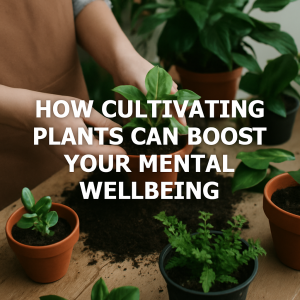
The benefits of preparing your garden for spring extend far beyond the immediate visual appeal. By investing time and effort into tasks such as soil preparation, pruning, planting, and mulching, you lay the foundation for a garden that will thrive throughout the year. This groundwork not only enhances the health and vitality of your plants but also contributes to the ecological balance of your outdoor space. Moreover, the act of gardening itself offers profound personal rewards, from the physical exercise it provides to the mental clarity and peace it fosters.
As you embark on this spring gardening journey, remember that each step you take is a contribution to a larger cycle of growth and renewal. The effort you invest now will be repaid many times over as your garden comes to life, offering a sanctuary of beauty and inspiration. Embrace the process, savour the moments of discovery and creativity, and take pride in the vibrant, flourishing garden that you cultivate. In doing so, you not only enhance your own well-being but also contribute to the health and beauty of the world around you.




Leave a Reply
You must be logged in to post a comment.