
Introduction
Staying active and social is vital for everybody, but it’s equally important to prioritise personal safety when out and about. Whether running errands, attending social events, or enjoying outdoor activities, seniors can take proactive steps to enhance their safety. In this blog post, we will explore effective personal safety strategies that can help stay safe while enjoying their daily lives.

Stay Aware of Your Surroundings
Being aware of your environment is the first step in ensuring personal safety. Here are some tips to enhance situational awareness:
- Avoid Distractions: When walking or traveling, avoid distractions such as texting or using your phone. Stay focused on your surroundings to identify potential risks.
- Scan Your Environment: Regularly scan your environment for any unusual behaviour or situations. Trust your instincts; if something feels off, take action to protect yourself.
- Use Your Senses: Pay attention to sounds and sights around you. If you hear something suspicious or see someone acting strangely, consider changing your route or seeking help.
Use Trusted Transportation Services
Transportation can pose safety risks for seniors, especially when using public transit. Here are some tips for safe travel:
- Plan Your Route: Before heading out, plan your route and familiarise yourself with the transportation options available. Know the schedules and stops to avoid confusion.
- Use Reputable Services: When using rideshare services or taxis, choose reputable companies. Verify the driver’s identity and vehicle details before getting in.
- Travel During Daylight: Whenever possible, schedule outings during daylight hours. Traveling in well-lit areas reduces the risk of encountering dangerous situations.
Travel in Groups
There’s safety in numbers, and traveling with others can enhance personal safety. Here’s how to make the most of group outings:
- Buddy System: Whenever possible, travel with a friend or family member. Not only does this provide companionship, but it also allows you to look out for one another.
- Join Community Groups: Consider joining community groups or clubs that organise outings. This can provide opportunities to socialise while ensuring you’re not alone.
- Stay Connected: If you must travel alone, inform someone of your plans and expected return time. Carry a fully charged phone to stay connected.
Keep Valuables Secure
Protecting your belongings is essential for personal safety. Here are some tips to keep valuables secure:
- Limit What You Carry: Carry only what you need when going out. Leave unnecessary items, such as expensive jewelry, at home.
- Use Secure Bags: Opt for bags that have zippers and secure closures. Crossbody bags are a great option as they keep your belongings close and make it harder for thieves to snatch them.
- Be Discreet: Avoid displaying valuables in public. Keep your phone, wallet, and other items out of sight when not in use.
Trust Your Instincts
Your instincts are a powerful tool for personal safety. Here’s how to harness them:
- Listen to Your Gut: If something doesn’t feel right, trust your instincts. It’s okay to leave a situation or change your plans if you feel uncomfortable.
- Seek Help When Needed: If you feel threatened or unsafe, don’t hesitate to seek help. Approach a nearby store employee, security personnel, or a trusted individual.
- Practice Assertiveness: If someone is making you uncomfortable, assertively communicate your boundaries. A firm “no” can deter unwanted attention.
Self-Defense Techniques
Learning basic self-defense techniques can empower seniors to protect themselves. Here are some options to consider:
- Self-Defense Classes: Consider enrolling in self-defense classes specifically designed for seniors. These classes teach practical techniques for defending against potential threats.
- Personal Safety Devices: Carry personal safety devices, such as a personal alarm. These tools can provide an added layer of protection in emergencies.
- Practice Situational Awareness: Regularly practice situational awareness techniques. This can include role-playing scenarios to prepare for potential threats.
Health and Mobility Considerations
Health and mobility can impact personal safety. Here are some considerations to keep in mind:
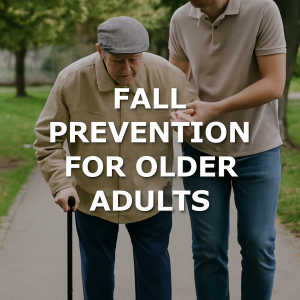
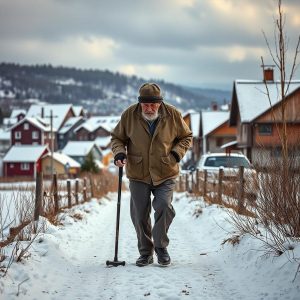
- Mobility Aids: If you use mobility aids, ensure they are in good condition and easily accessible. Practice using them in various environments to build confidence.
- Know Your Limits: Be aware of your physical limitations and avoid overexerting yourself. If you feel fatigued or unwell, consider postponing outings.
- Stay Hydrated and Nourished: Proper hydration and nutrition are essential for maintaining energy levels. Carry water and snacks when out to stay energized.
Emergency Preparedness
Being prepared for emergencies can enhance personal safety. Here’s how to create an emergency plan:
- Emergency Contacts: Keep a list of emergency contacts in your wallet or phone. Include family members, friends, and local emergency services.
- Know Local Resources: Familiarise yourself with local resources, such as community centers or senior services, that can provide assistance in emergencies.
- Practice Emergency Scenarios: Regularly practice emergency scenarios, such as what to do if you feel threatened or if you need medical assistance.
Conclusion
Staying safe while out and about is essential for seniors to maintain their independence and enjoy an active lifestyle. By implementing these personal safety strategies, seniors can navigate their daily lives with confidence and peace of mind. Remember, safety is a proactive endeavor, so stay aware, trust your instincts, and take the necessary precautions to protect yourself.


Leave a Reply
You must be logged in to post a comment.