
Introduction
Falls are a leading cause of injury among older adults, often resulting in serious consequences such as fractures, head injuries, and loss of independence. However, many falls can be prevented with the right strategies and precautions. Understanding fall prevention is crucial for maintaining health and independence as we age. In this blog post, we will explore effective fall prevention strategies that can help older adults reduce their risk of falls and stay safe at home and in the community.

Home Modifications
Making necessary modifications to your home can significantly reduce the risk of falls. Here are some key modifications to consider:
- Bathroom Safety: The bathroom is one of the most hazardous areas for falls. Install grab bars near the toilet and in the shower or bathtub. Consider using a shower chair to provide stability while bathing.
- Non-Slip Surfaces: Use non-slip mats in the bathroom and kitchen to prevent slipping on wet surfaces. Ensure that all rugs have non-slip backing or are removed altogether.
- Clear Pathways: Keep pathways clear of clutter, furniture, and electrical cords. Ensure that all areas of your home are well-lit, especially stairways and hallways.
- Stair Safety: Install handrails on both sides of stairways and ensure that steps are well-lit. Consider using contrasting colors on the edges of steps to enhance visibility.
Regular Exercise
Engaging in regular physical activity is essential for improving strength, balance, and flexibility. Here’s how exercise can help prevent falls:
- Balance and Strength Training: Participate in exercises that focus on balance and strength, such as tai chi, yoga, or resistance training. These activities can improve stability and reduce the risk of falls.
- Walking Programs: Consider joining a walking program or group. Walking is a low-impact exercise that can enhance cardiovascular health and improve overall mobility.
- Consult a Professional: If you’re unsure where to start, consult a physical therapist or fitness professional who specialises in senior fitness. They can create a personalised exercise plan tailored to your needs.
Vision and Hearing Checks
Regular vision and hearing checks are crucial for maintaining safety and preventing falls. Here’s what to consider:
- Eye Exams: Schedule regular eye exams to monitor vision changes. Ensure that you have the correct prescription for glasses or contact lenses.
- Hearing Tests: Hearing loss can impact balance and awareness of surroundings. Regular hearing tests can help identify any issues that may need addressing.
- Use Aids: If you require glasses or hearing aids, ensure that you wear them consistently. These aids can significantly improve your ability to navigate your environment safely.
Medication Review
Some medications can cause side effects that increase the risk of falls, such as dizziness or drowsiness. Here’s how to manage medications safely:
- Consult Your Doctor: Schedule regular medication reviews with your healthcare provider. Discuss any side effects you may be experiencing and explore alternatives if necessary.
- Organise Medications: Use a pill organiser to keep track of medications and ensure that you take them as prescribed. This can help prevent confusion and missed doses.
- Avoid Mixing Medications: Be cautious when taking multiple medications, as interactions can increase the risk of falls. Always consult your doctor before making any changes to your medication regimen.
Wear Proper Footwear
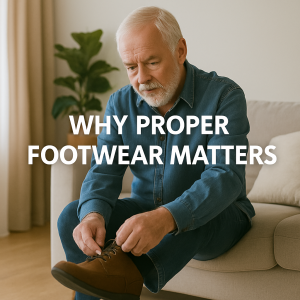
Choosing the right footwear is essential for maintaining stability and preventing falls. Here are some tips for selecting safe shoes:
- Supportive Shoes: Opt for shoes that provide good support and have non-slip soles. Avoid high heels, flip-flops, or shoes with slippery soles.
- Proper Fit: Ensure that shoes fit properly and are comfortable. Shoes that are too tight or too loose can increase the risk of tripping.
- Avoid Slippers: While comfortable, slippers can be hazardous. Choose shoes that provide adequate support and grip, even when relaxing at home.
Health and Mobility Considerations
Health and mobility can impact fall risk. Here are some considerations to keep in mind:
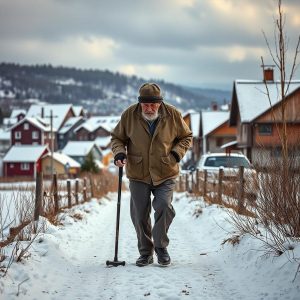
- Mobility Aids: If you use mobility aids such as walkers or canes, ensure they are in good condition and properly adjusted. Practice using them in various environments to build confidence.
- Know Your Limits: Be aware of your physical limitations and avoid overexerting yourself. If you feel fatigued or unwell, consider postponing activities that require physical exertion.
- Stay Hydrated and Nourished: Proper hydration and nutrition are essential for maintaining energy levels and overall health. Carry water and snacks when out to stay energised.
Emergency Preparedness
Being prepared for emergencies can enhance safety and reduce anxiety. Here’s how to create an emergency plan:
- Emergency Contacts: Keep a list of emergency contacts in your wallet or phone. Include family members, friends, and local emergency services.
- Know Local Resources: Familiarise yourself with local resources, such as community centres or senior services, that can provide assistance in emergencies.
- Practice Emergency Scenarios: Regularly practice emergency scenarios, such as what to do if you fall or need medical assistance. This can help build confidence and preparedness.
Community Resources and Support
Utilising community resources can enhance safety and provide support. Here are some options to consider:
- Senior Centres: Many communities have senior centres that offer programs focused on health, fitness, and safety. Consider participating in activities that promote fall prevention.
- Home Safety Assessments: Some organizations offer home safety assessments to identify potential hazards and recommend modifications. Take advantage of these services to enhance your home’s safety.
- Support Groups: Join support groups for seniors that focus on health and safety. Sharing experiences and tips with others can provide valuable insights and encouragement.
Conclusion
Understanding fall prevention is essential for older adults to maintain their health and independence. By implementing these effective strategies, anybody that is unsteady on their feet can significantly reduce their risk of falls and enjoy a safer, more active lifestyle. Remember, safety is an ongoing process, so regularly assess your environment and make necessary adjustments to ensure it remains a secure haven.

Leave a Reply
You must be logged in to post a comment.